The Scinde Dawk Issues (1852)
India issued its first postage stamps on 1 October 1852, introducing prepaid postage to part of British India. These stamps are known as the Scinde Dawk issues and were produced for use in the province of Sindh (then spelled Scinde), rather than across the entire subcontinent.
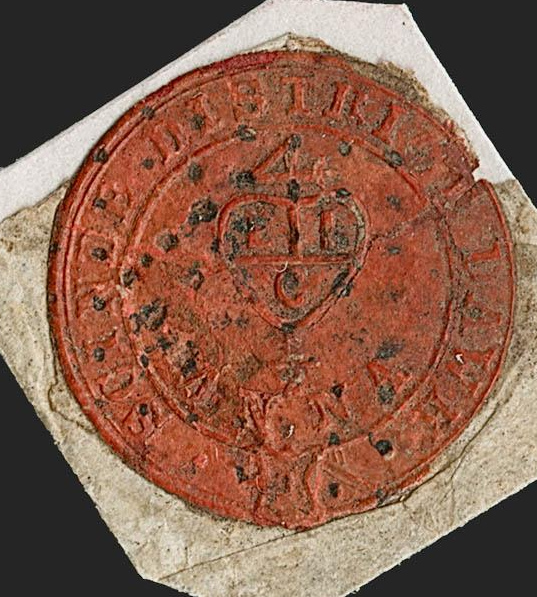
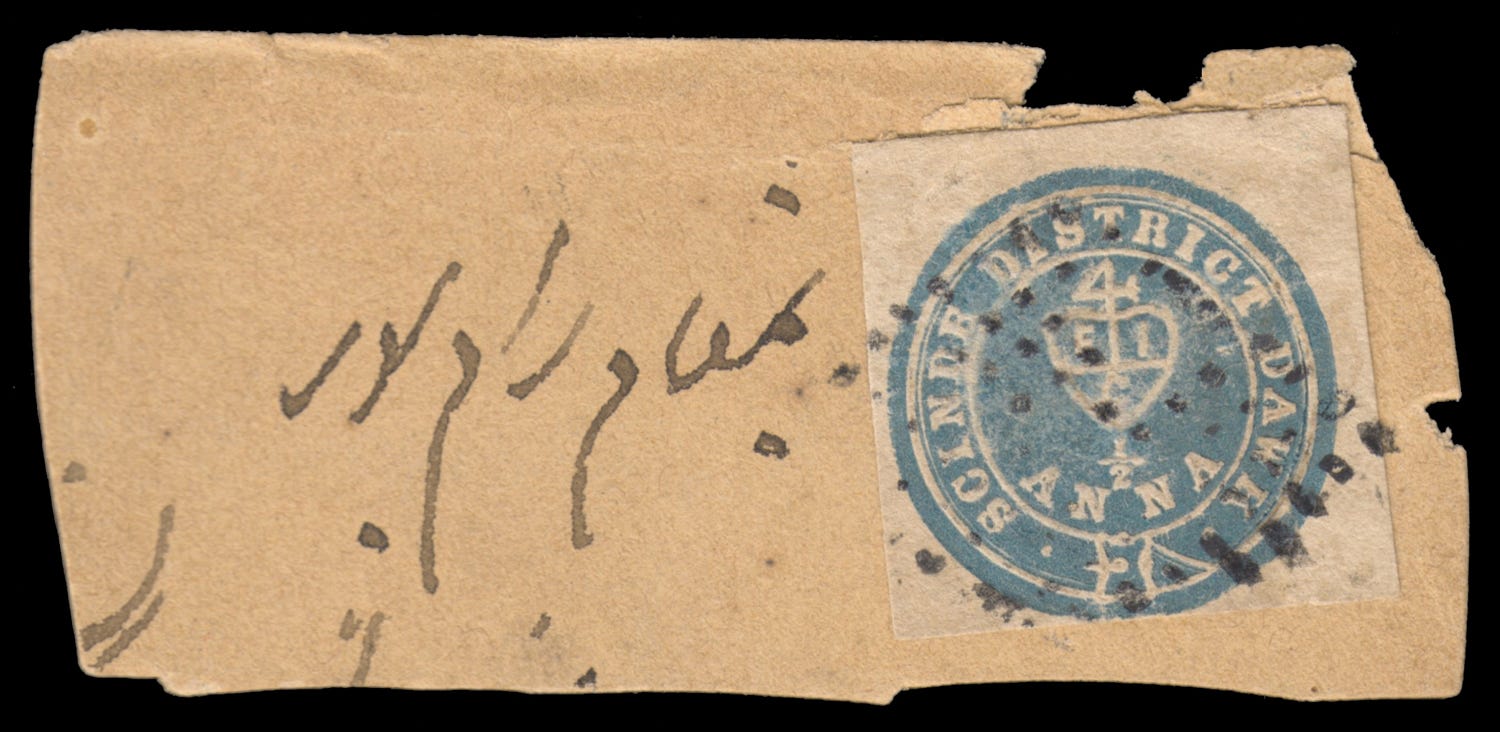
The Scinde Dawk stamps were issued in three forms: red, white, and blue. The red stamps were embossed directly into sealing wax, while the white and blue varieties were printed on paper. All three featured an embossed circular design with the East India Company lion and the inscription “SCINDE DISTRICT DAWK,” identifying their postal purpose.
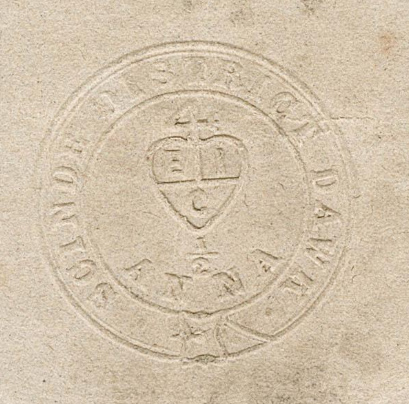
These stamps were created to prepay local postage within the Scinde district. Their circular shape and embossed production were unusual and made them distinct from contemporary European rectangular stamps. However, the wax-based red issues proved impractical in hot climates and were easily damaged, leading to their short period of use.
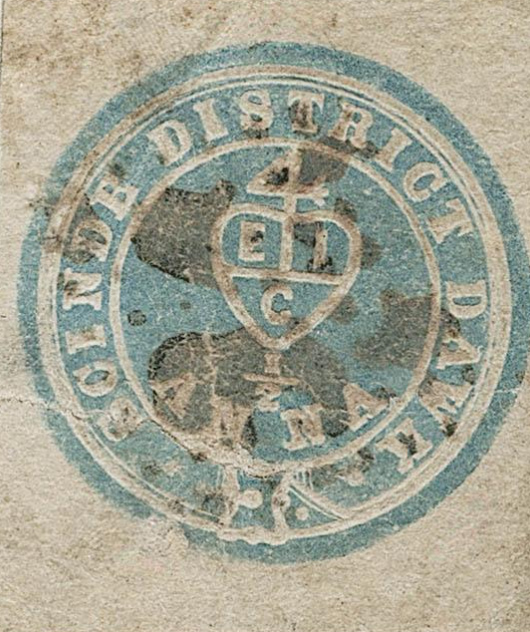
The Scinde Dawk stamps were issued as part of broader postal reforms introduced by Sir Bartle Frere, the Chief Commissioner of Scinde. These reforms aimed to simplify and standardize postal rates while reducing reliance on cash handling at post offices.
Although innovative, the Scinde Dawk stamps had a limited geographical scope and lifespan. They were replaced in 1854 by India’s first nationwide postage stamps, featuring Queen Victoria and valid throughout British India. Those later issues established a uniform postal system across the subcontinent.