Brazil’s Bull’s Eyes: South America Enters the Stamp Age (1843)
On 1 August 1843, Brazil became the second country in the world — after Great Britain — to issue postage stamps. Known today as the Bull’s Eyes, these striking designs announced Brazil’s arrival at the forefront of global postal reform and made philatelic history far beyond South America.
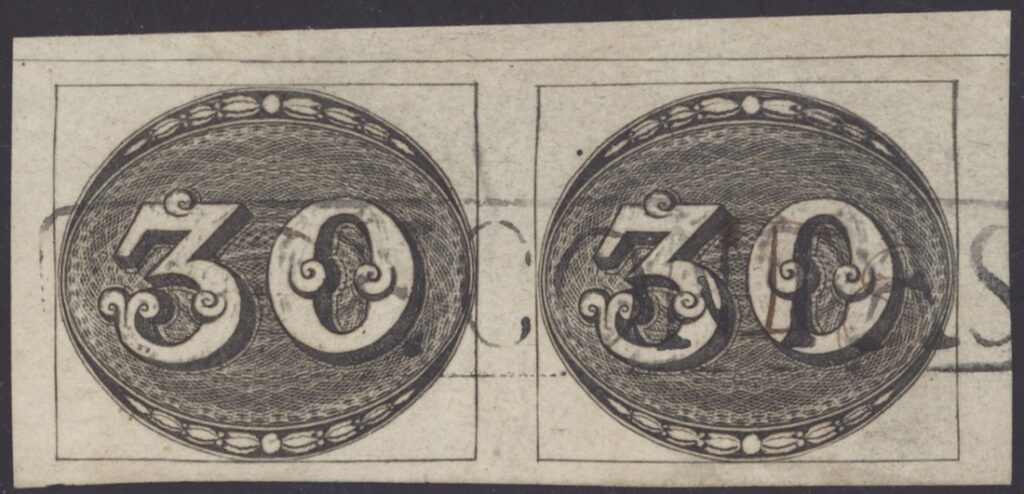
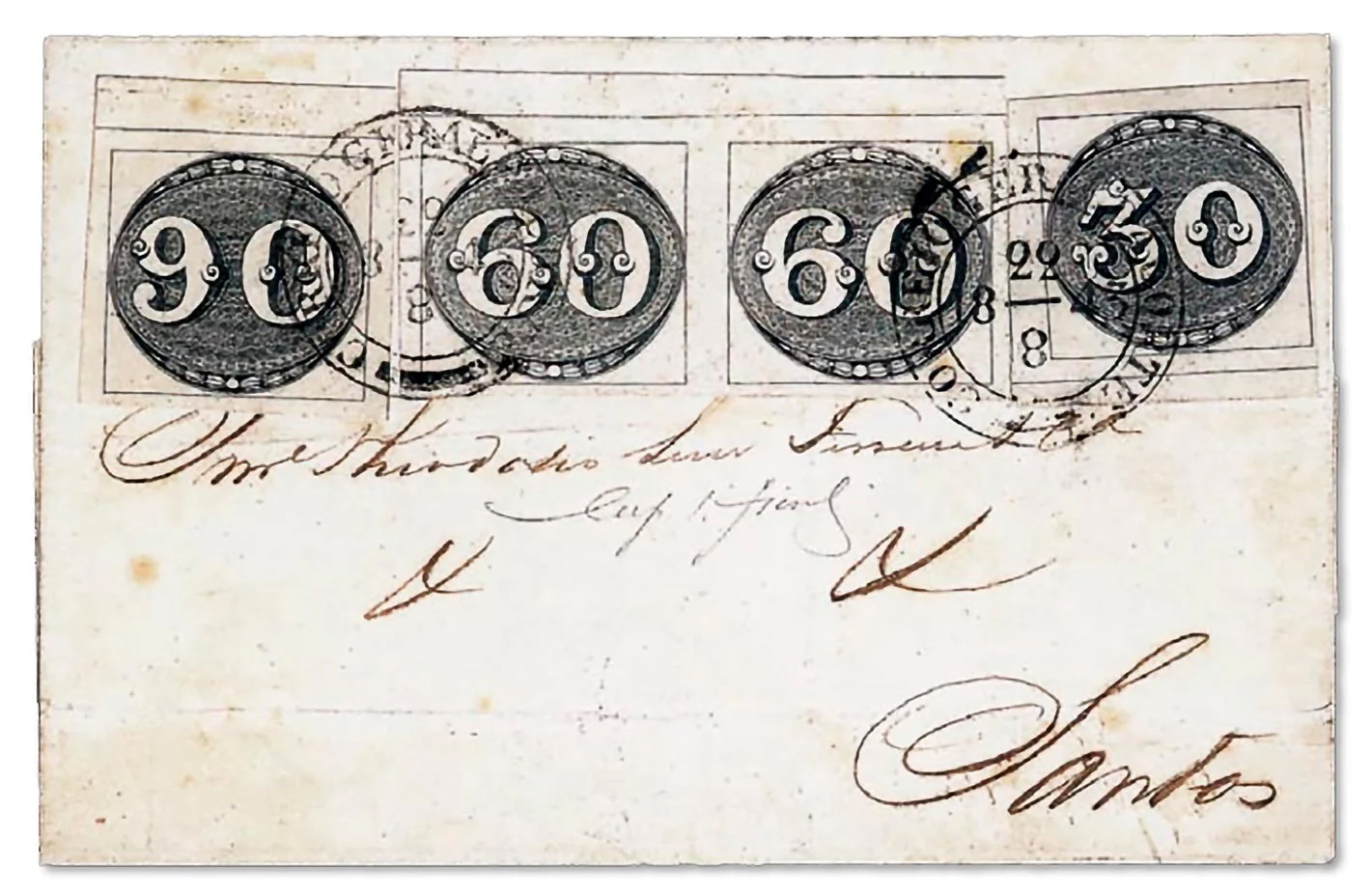
The Bull’s Eyes were issued in three denominations: 30, 60, and 90 réis, each intended for different letter weights. Their bold, oval design immediately set them apart from contemporary stamps. Instead of portraits or national symbols, the stamps featured large numerals surrounded by concentric lines — a purely functional approach meant to discourage forgery and simplify production
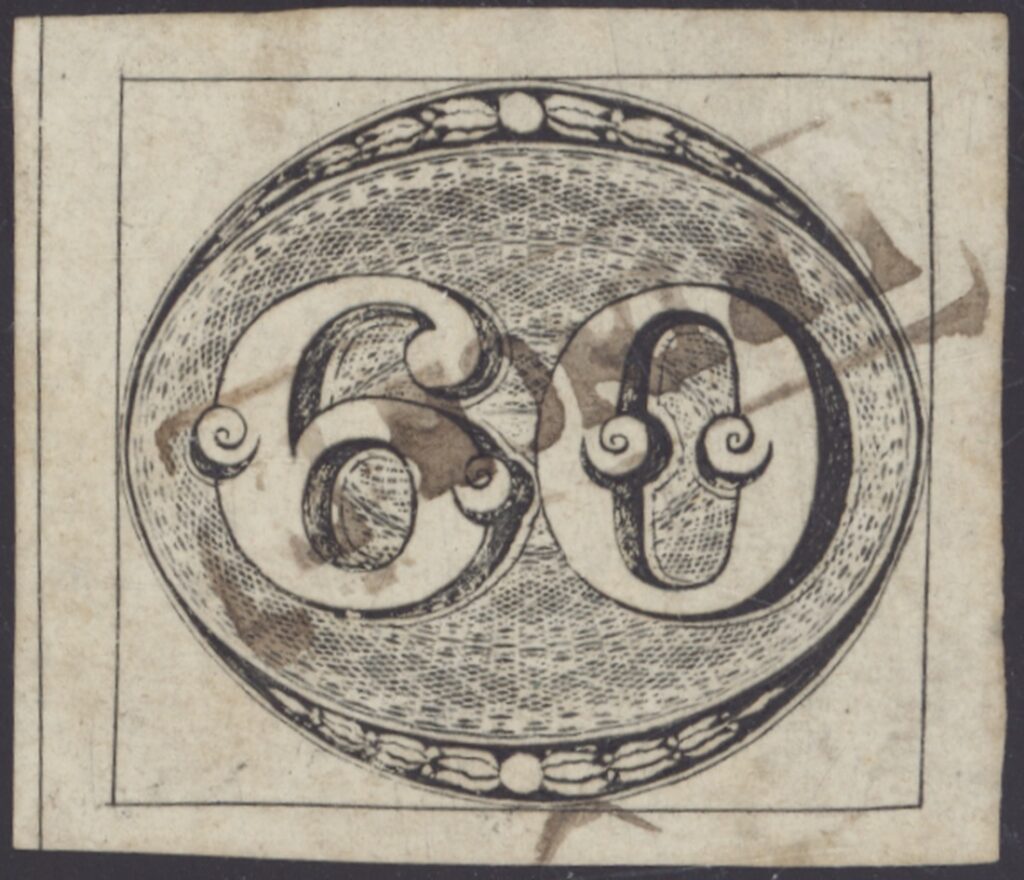
Like the Penny Black, Brazil’s stamps did not name the country or show the emperor, Dom Pedro II. This was a deliberate choice, reflecting both cost concerns and a desire for neutrality in design. The result was modern, almost abstract — and instantly recognizable. Collectors soon nicknamed them “Bull’s Eyes” due to their resemblance to archery targets.
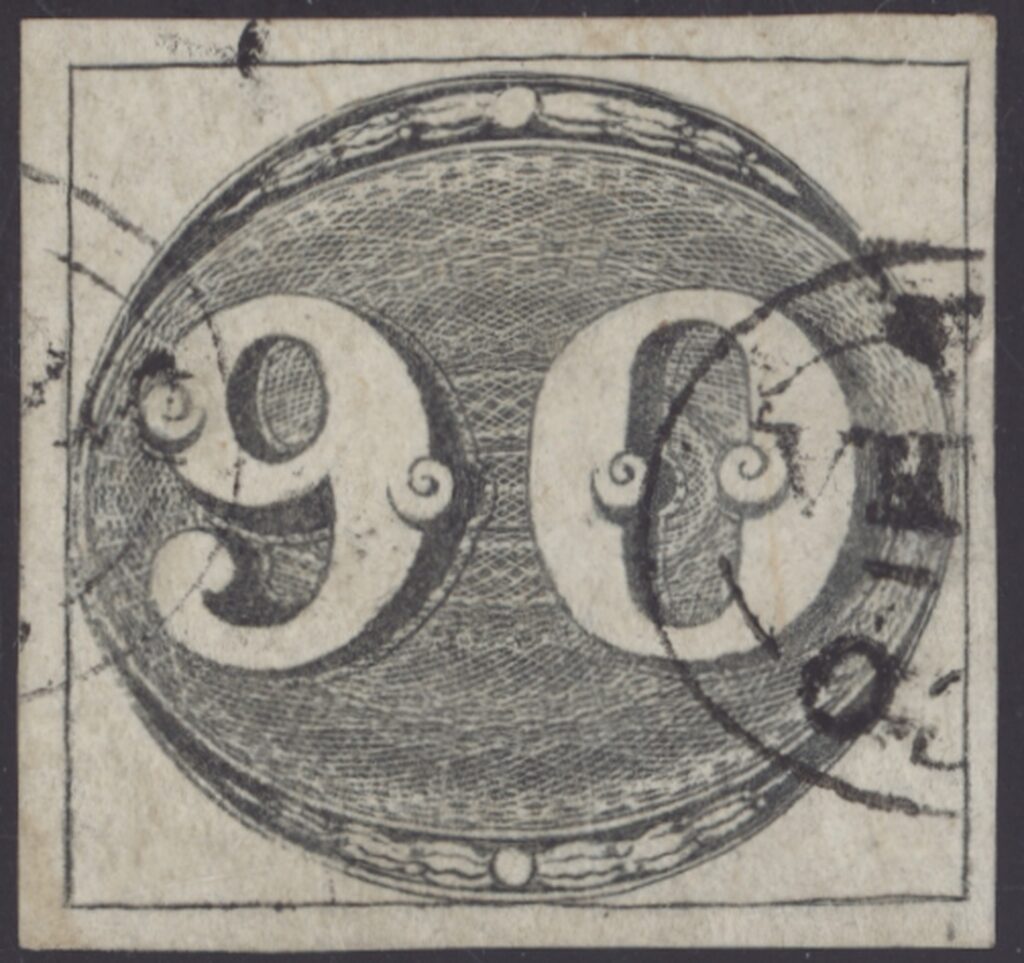
The stamps were printed in black ink on thick paper and were imperforate. Used across Brazil’s vast territory, they played a crucial role in standardizing postage in an empire spanning thousands of miles. Although replaced by new designs in 1844, the Bull’s Eyes left a lasting legacy. They cemented Brazil’s place in early postal history and remain among the most sought-after classic stamps in the world.