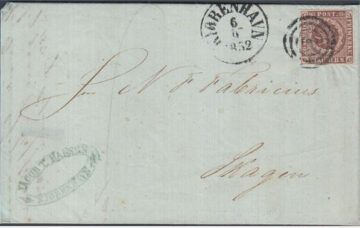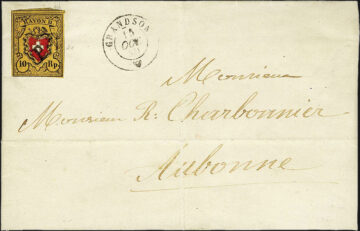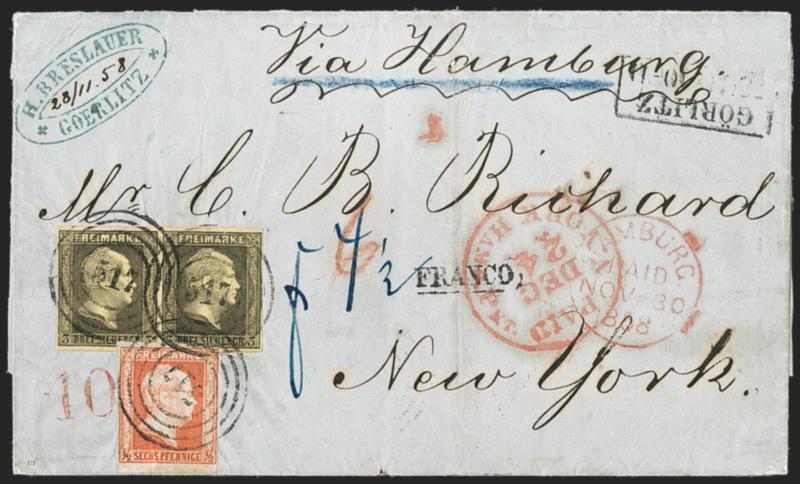
Germany’s Second State to Embrace Stamps
On 15 November 1850, the Kingdom of Prussia issued its first official postage stamps, becoming the second German state to adopt prepaid postage after Bavaria. These early stamps reflect Prussia’s efficiency, functionality, and growing influence in mid-19th-century Europe.
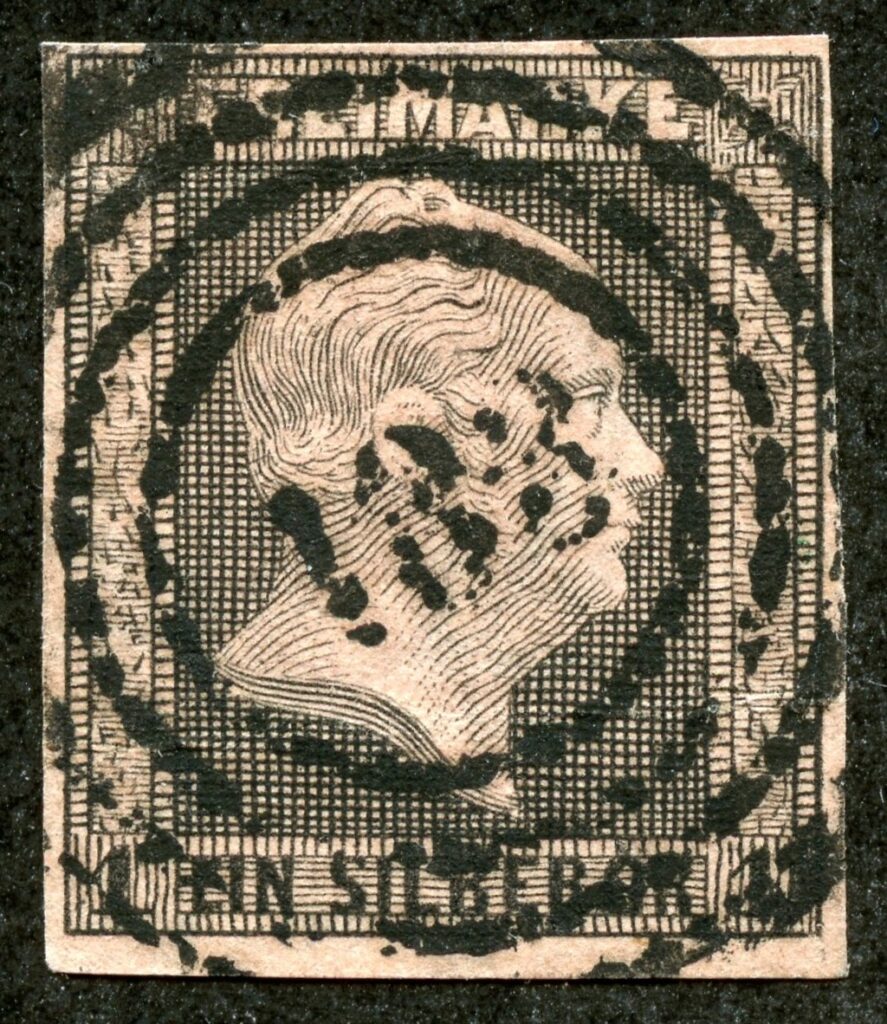
Prussia issued stamps in two denominations: 1 silbergroschen for local letters and 2 silbergroschen for longer distances. The designs were austere yet practical, featuring large numerals indicating value within a simple frame. Unlike Bavaria, there were no royal portraits, emphasizing clarity and purpose over ornamentation.
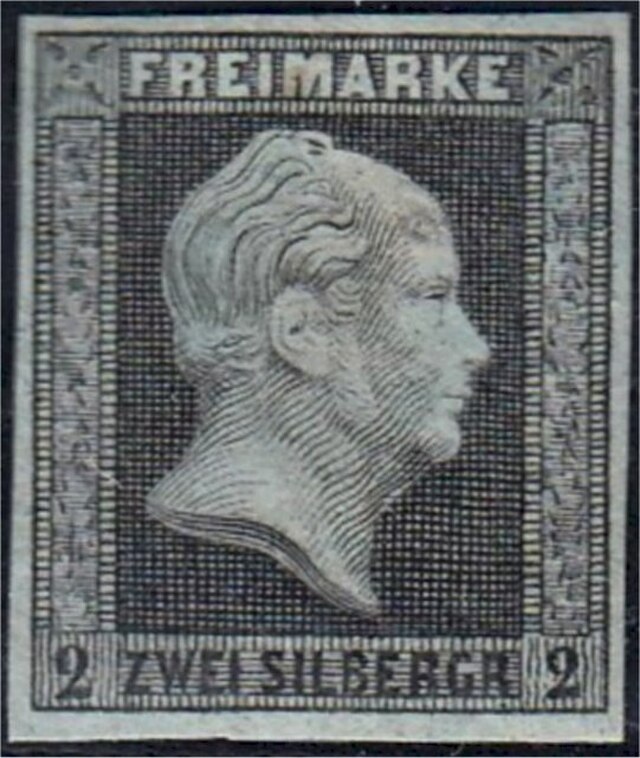
Printed imperforate on thin paper. They circulated within Prussia’s postal system, helping unify rates across the kingdom and simplify previously complex, distance-based postal charges.
Prussia’s adoption of postage stamps was part of a broader European trend, following Britain, Switzerland, Bavaria, France, and Belgium. While the designs were modest, their significance was substantial: they symbolized the modernization of communication, bureaucratic efficiency, and the early steps toward a unified German postal network.